
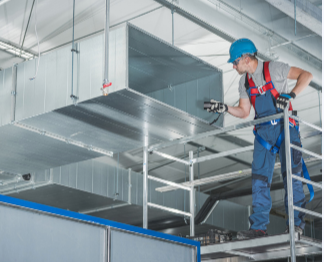
Proper Installation Procedure for Fire Dampers
A detailed guide to the correct installation process of fire dampers, ensuring fire safety compliance and meeting EI 45–EI 120 standards in HVAC systems.
1. Overview of Fire Damper Installation
Fire dampers are critical components in HVAC systems, designed to prevent the spread of fire and smoke through ductwork. However, if installed incorrectly, they will not function effectively during a fire incident.
Therefore, proper installation in accordance with standards is mandatory in projects with fire safety requirements.
2. Installation Locations for Fire Dampers
Choosing the right installation location is crucial for performance:
- At wall and floor penetrations requiring fire protection
- On supply and return air ducts
- Near high fire-risk areas
- Within fire compartments of buildings
Note: Installation must follow the approved design drawings.
3. Correct Installation Procedure
Step 1: Pre-installation Inspection
- Verify that damper size matches the duct
- Ensure the damper has fire safety certification
- Check the thermal fuse condition
- Inspect blade integrity and airtightness
Step 2: Site Preparation
- Clean the installation area
- Accurately mark the installation position
- Ensure the opening/frame is correctly sized
- Check elevation and installation orientation
Step 3: Install the Damper into the Duct System
- Position the damper according to the design
- Secure it with bolts, nuts, or flanges
- Ensure no misalignment or deformation
- Verify blade opening/closing direction
Step 4: System Connection (if motorized)
- Connect power supply (for motorized dampers)
- Check control signals from the fire alarm system
- Ensure synchronization with the fire protection system
Step 5: Firestopping at Wall/Floor Penetrations
- Use certified fire-resistant materials
- Seal all gaps between the damper and building structure
- Ensure compliance with the specified EI rating
Step 6: Inspection and Testing
- Check manual operation (open/close)
- Test the thermal fuse if required
- Verify full closure in emergency conditions
- Prepare inspection and acceptance records
4. Common Installation Mistakes
- Incorrect damper orientation
- Failure to seal fire-rated gaps
- Not checking the thermal fuse
- Installing in the wrong location compared to drawings
- Skipping post-installation testing
5. Important Notes During Installation
- Comply with current fire safety regulations
- Use certified materials only
- Installation should be carried out by qualified technicians
- Conduct periodic inspections after installation
6. Conclusion
Proper installation of fire dampers not only ensures effective operation but also plays a vital role in protecting the entire building. Each step must be strictly followed in accordance with technical standards and fire safety regulations.