
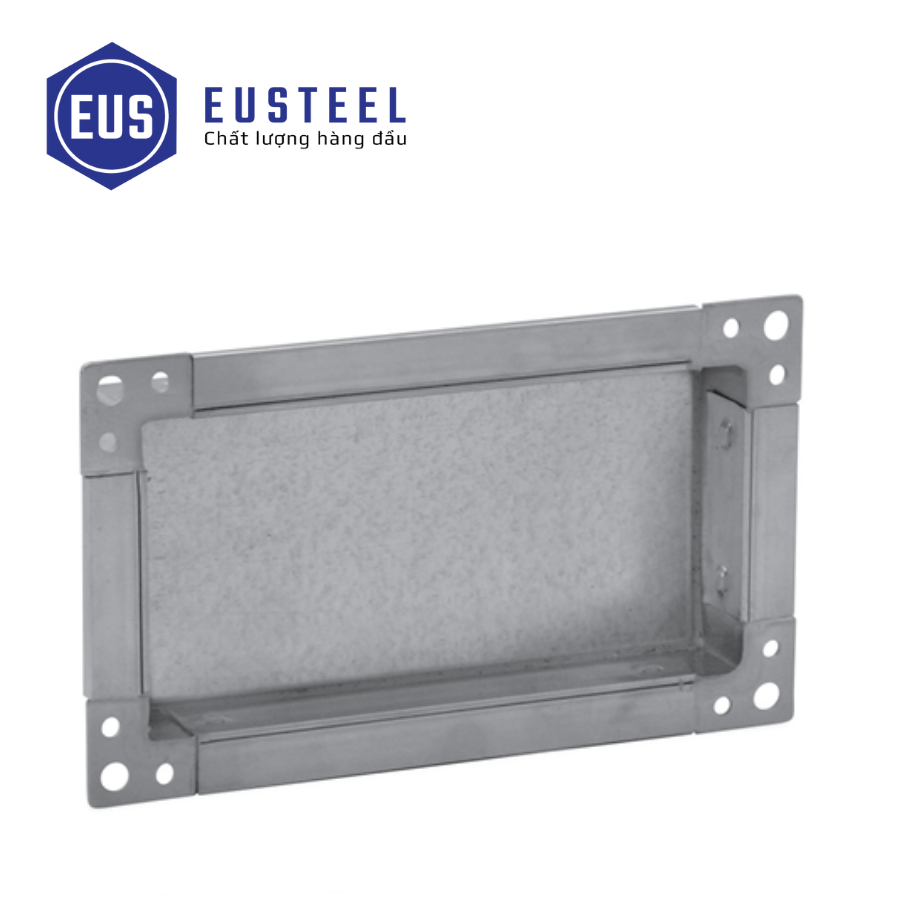
What Is a Duct End Cap? Types, Functions & Installation Guide
1. What is a duct end cap?
A duct end cap (also known as a duct cap or end cover) is a fitting used to seal the end of a duct in HVAC systems. It prevents air leakage while also blocking dust, debris, and insects from entering the ductwork.
2. Structure of a duct end cap
A duct end cap typically has a simple structure, including:
- Cap plate: covers and seals the duct end
- Edge rim or flange: ensures secure attachment
- Materials: galvanized steel, stainless steel, or plastic
3. Types of duct end caps
3.1 By shape
- Round duct end cap
- Rectangular duct end cap
3.2 By installation method
- External (slip-on) cap
- Internal (insert) cap
- Flanged cap
- Welded cap
3.3 By application purpose
- Temporary cap (during construction)
- Permanent cap (end of system)
4. Functions of a duct end cap
- Prevents air leakage
- Protects the system from dust and contaminants
- Maintains duct pressure
- Supports inspection and maintenance
5. Applications
Duct end caps are widely used in:
- HVAC systems
- Smoke exhaust systems
- Industrial factories
- Residential and commercial buildings
6. Proper installation method
Step 1: Preparation
- Check duct end dimensions
- Prepare materials: screws, silicone sealant, gaskets
Step 2: Installation
- Position the cap correctly
- Secure with screws or flange
- Tighten to ensure airtight sealing
Step 3: Inspection
- Perform airtightness testing
- Check for air leakage
7. Selection considerations
- Choose the correct size
- Prefer corrosion-resistant materials
- Ensure high sealing performance
- Match system pressure requirements
8. Conclusion
Although simple in design, duct end caps play a vital role in ensuring the efficiency and durability of ventilation systems. Proper selection and installation help maintain stable operation and reduce maintenance costs.