
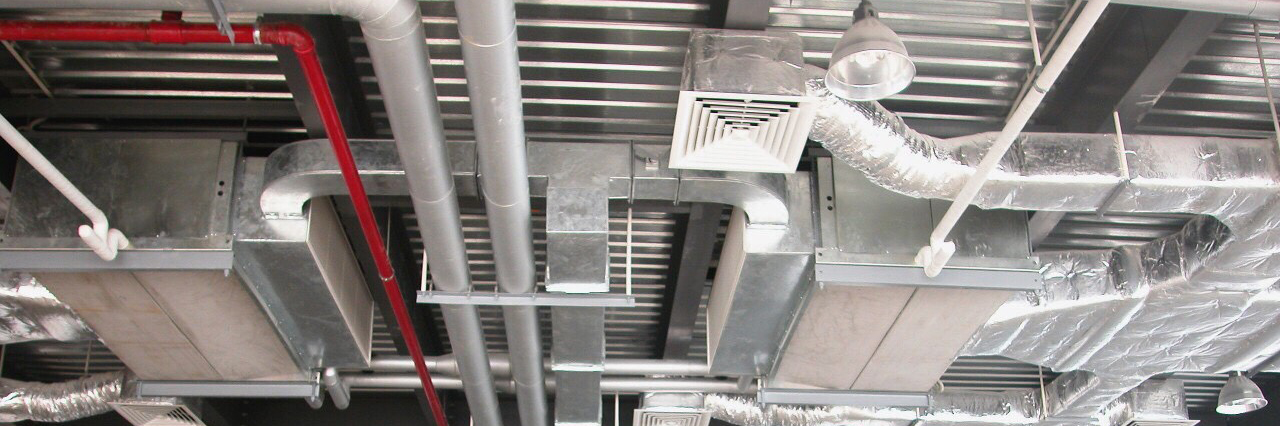
Proper HVAC System Installation – A Key Factor for Operational Efficiency
1. What is an HVAC system?
HVAC (Heating, Ventilation, and Air Conditioning) is a system designed to control temperature, humidity, and indoor air quality in buildings. It plays a crucial role in ensuring comfort and a healthy environment.
2. Importance of proper HVAC installation
- Ensures optimal system performance
- Saves energy
- Extends equipment lifespan
- Ensures safety and occupant health
- Complies with construction and fire safety regulations
3. HVAC installation standards to follow
- Ventilation system design standards
- Fire protection regulations (PCCC)
- Thermal and acoustic insulation standards
- Airflow and pressure requirements
- International standards such as ASHRAE (if applicable)
4. HVAC installation process
Step 1: System design
- Calculate cooling/heating load
- Select suitable equipment
- Design ductwork and air outlet layout
Step 2: Installation
- Install ducts, piping, and equipment
- Ensure proper fixing and technical compliance
- Apply insulation to prevent energy loss
Step 3: Testing and balancing
- Check system airtightness
- Measure airflow
- Balance the system
Step 4: Commissioning and handover
- Run the system
- Evaluate performance
- Handover and provide user instructions
5. Common installation mistakes
- Incorrect load calculation
- Air or water leakage in ducts/pipes
- Improper installation causing vibration and noise
- Inadequate insulation
- Lack of inspection and periodic maintenance
6. Solutions to improve HVAC efficiency
- Use high-quality materials
- Perform regular maintenance
- Apply energy-saving technologies
- Ensure proper installation from the beginning
7. Conclusion
Proper HVAC system installation is essential for stable operation, cost savings, and maintaining indoor air quality. Investing in correct installation from the start brings long-term benefits for both businesses and users.