
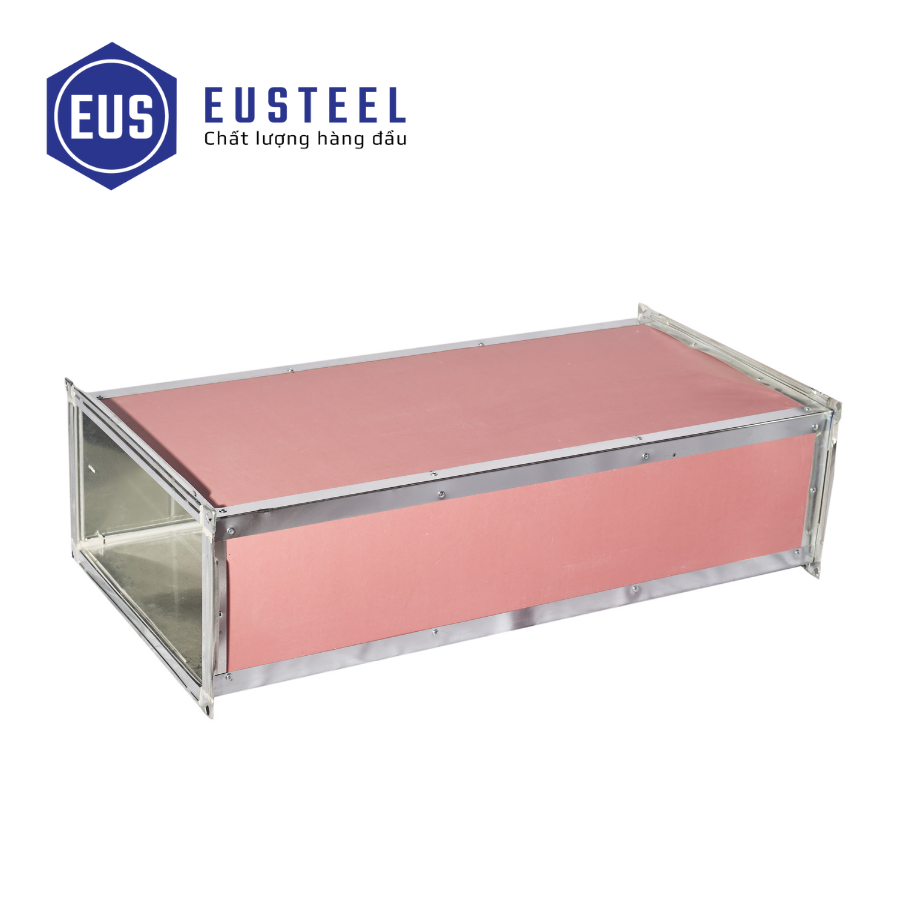
Fire-Resistant Duct Insulation Materials: A Safety Solution for HVAC Systems
1. What are fire-resistant duct insulation materials?
Fire-resistant duct insulation materials are specialized materials used to wrap around the exterior of duct systems to enhance heat resistance, prevent fire spread, and protect HVAC systems in the event of a fire. This is a critical component in buildings such as high-rises, shopping centers, factories, and hospitals.
These materials typically offer high heat resistance, excellent thermal insulation, and comply with fire protection (PCCC) standards.
2. Why is fire-resistant duct insulation necessary?
Using fire-resistant duct insulation materials provides several key benefits:
- Prevents fire spread: Limits the spread of flames and smoke through duct systems
- Protects building structures: Minimizes damage during fire incidents
- Ensures human safety: Increases evacuation time
- Complies with fire safety regulations: Meets construction and inspection standards
- Enhances HVAC system durability: Reduces the impact of high temperatures
3. Common types of fire-resistant duct insulation materials
3.1 Rockwool
- Withstands temperatures up to 1000°C
- Excellent soundproofing and thermal insulation
- Non-combustible and does not emit toxic gases
- Often combined with aluminum foil or galvanized steel
3.2 Glasswool
- Lightweight and easy to install
- Good thermal insulation and fire resistance
- Cost-effective
- Commonly used in residential buildings
3.3 Fireproof boards (Calcium Silicate / Fireproof Board)
- High heat resistance and effective fire protection
- Strong mechanical durability
- Suitable for systems requiring higher fire ratings
3.4 Fire-resistant coating
- Applied directly to duct surfaces
- Forms a protective layer under high temperatures
- Ideal for spaces with limited installation area
4. Standards for fire-resistant duct insulation materials
When selecting materials, ensure they meet the following criteria:
- Fire resistance from 60 to 180 minutes, depending on project requirements
- Compliance with Vietnamese and international standards (BS, ASTM, ISO)
- No emission of toxic gases during fire exposure
- Certified quality and inspection documentation
5. Installation process for fire-resistant duct insulation
Proper installation is essential to ensure effectiveness:
- Survey the duct system
- Select appropriate materials
- Cut and fabricate materials to size
- Wrap and secure around the duct
- Reinforce with bands, adhesives, or protective layers
- Inspect and complete final acceptance
6. Key considerations when choosing materials
- Suitability for the environment (indoor, outdoor, industrial)
- Required fire resistance rating
- Ease of installation and maintenance
- Cost optimization while maintaining quality
- Choosing a reputable supplier
7. Practical applications
Fire-resistant duct insulation materials are widely used in:
- Office buildings and apartments
- Shopping malls
- Factories and industrial zones
- Hospitals and schools
- Basements and parking areas
8. Conclusion
Fire-resistant duct insulation materials play a crucial role in ensuring fire safety in buildings. Proper material selection and correct installation not only protect HVAC systems but also safeguard human lives and property.
If you are looking for an effective fire-resistant duct insulation solution, prioritize certified materials and professional contractors to ensure long-term performance and safety.