
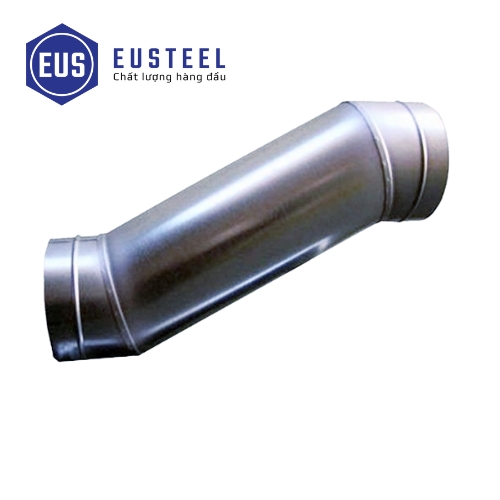
Duct Elevation Adjustment – Importance in HVAC Systems
In HVAC system design and installation, duct elevation adjustment is an important technical aspect that is often overlooked. Proper execution not only ensures system performance but also optimizes space and avoids conflicts with other building systems.
1. What Is Duct Elevation Adjustment?
Duct elevation adjustment refers to the process of changing the installation height of air ducts within a system, typically using components such as:
- Elbows
- Offsets
- Vertical and horizontal bends
The purpose is to align with the building structure and coordinate with other technical systems such as:
- Electrical systems
- Plumbing systems
- Fire protection systems
2. Why Is Duct Elevation Adjustment Necessary?
2.1 Avoid System Clashes
In real-world installation, ceiling space is often very limited. Elevation adjustment helps:
- Avoid collisions with beams and slabs
- Coordinate with pipes and cable trays
2.2 Optimize Installation Space
It allows for a more organized and efficient system layout, especially in:
- Shopping malls
- Factories
- High-rise buildings
2.3 Improve Aesthetics
Proper duct arrangement can:
- Enhance visual appearance
- Make it easier to conceal within ceilings or expose in a controlled manner
2.4 Maintain System Performance
When done correctly, elevation adjustment:
- Reduces pressure loss
- Minimizes airflow turbulence
- Lowers noise levels
3. Methods of Duct Elevation Adjustment
3.1 Offset
- Uses two 45° elbows
- Provides smoother transitions and lower pressure loss
3.2 90° Elbow
- Used when space is limited
- Causes higher pressure loss compared to 45° elbows
3.3 Rectangular-to-Round Transition
- Used when changing duct shape along with elevation adjustment
4. Important Considerations
4.1 Avoid Sharp Turns
- Limit excessive bends
- Prefer angles between 30° – 45°
4.2 Calculate Pressure Loss
- Each elevation change causes pressure loss
- Ensure airflow meets design requirements
4.3 Ensure Airtightness
- Joints must be properly sealed to prevent leakage
- Use gaskets and specialized sealants
4.4 Maintenance Accessibility
- Avoid placing ducts in hard-to-reach areas
- Provide access doors when necessary
5. Common Mistakes
- Sharp elevation changes causing noise
- Not calculating pressure loss
- Overlapping or conflicting with other systems
- Lack of coordinated shop drawings
6. Conclusion
Duct elevation adjustment is not just a technical solution but a critical factor affecting the overall performance of an HVAC system. Proper design helps:
- Reduce energy loss
- Extend system lifespan
- Improve aesthetics and ease of maintenance